Desirée Valadares
Research Area
Education
PhD, UC Berkeley
M.Arch, McGill University
MLA, University of Guelph
B.Arts Sc., McMaster University
About
My research brings cultural geography and landscape studies into conversation with architectural history. I am interested in geographies of remembrance and commemoration and my work is driven by a commitment to land stewardship and cultural placemaking. I contribute my geographical and architectural perspectives on these issues and to interdisciplinary debates in Asian North American studies, settler colonial studies, and preservation law.
Since joining UBC Geography in 2022, I have taught courses on infrastructure and labour histories, treaty education (the Numbered Treaties), and Asian migration and diaspora in post-Confederation Canada. I integrate place-based and studio-based pedagogies in my teaching and encourage student interaction with primary sources, including archives, maps, cultural belongings, oral histories, buildings, visual art and more.
Teaching
Research
My research centers the cultural and social geographies of the Pacific War in western Canada, Hawai’i, and Alaska. I focus on the heritage politics of preserving these landscapes and study their competing narratives, layered memories, and contaminated legacies across three main strands:
1) PUBLIC LANDS + NATIONAL MONUMENTS
My book manuscript, Unlikely Antiquities: Pacific War Sites as Public Lands, reframes the Antiquities Act of 1906 as a tool for war commemoration and remembrance. The book contributes to debates on land conversion; stewardship and corporate philanthropy at US public lands; and Indigenous-Asian settler relations at former wartime incarceration sites.
2) PARTICULATE GEOGRAPHIES
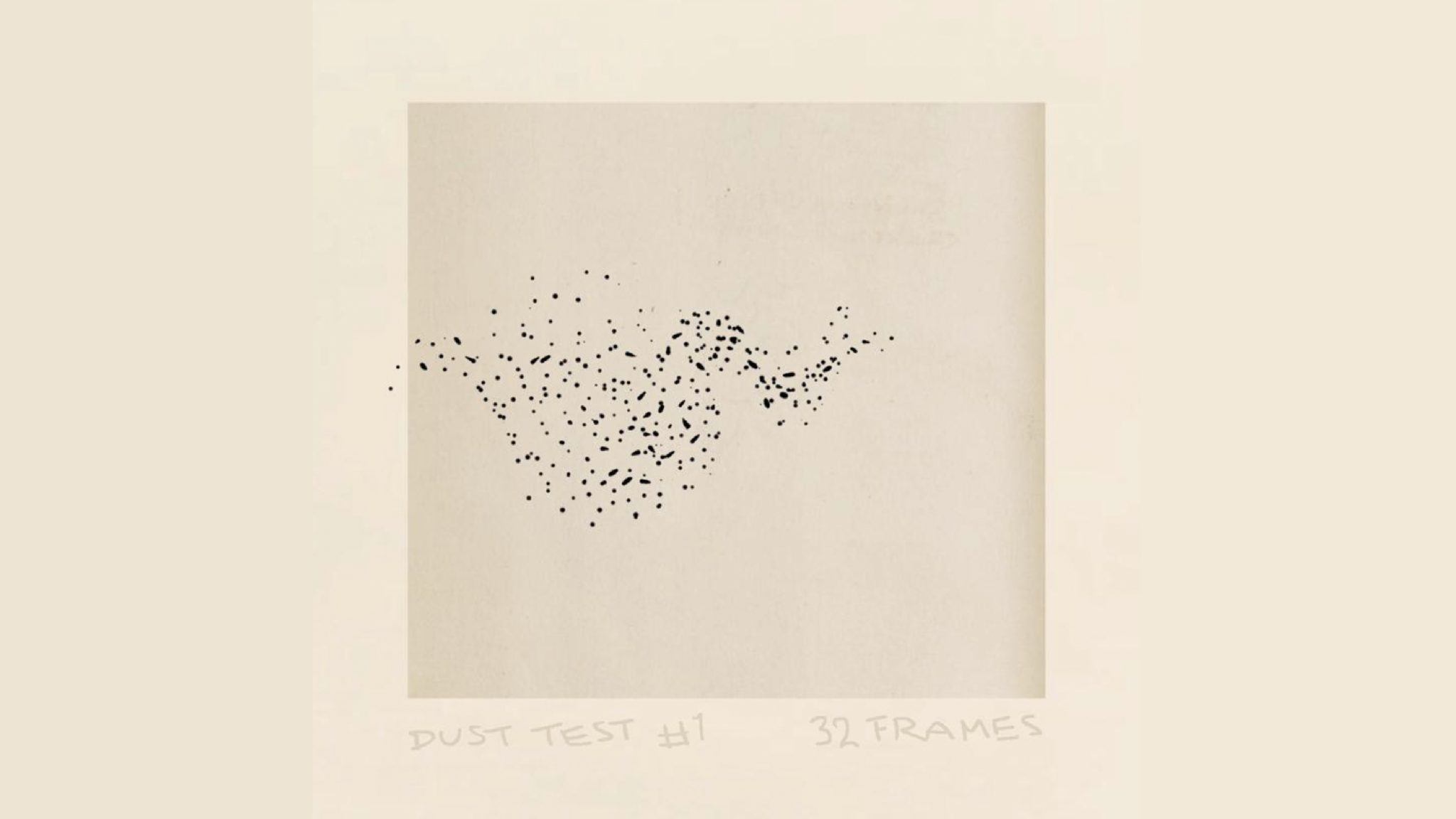
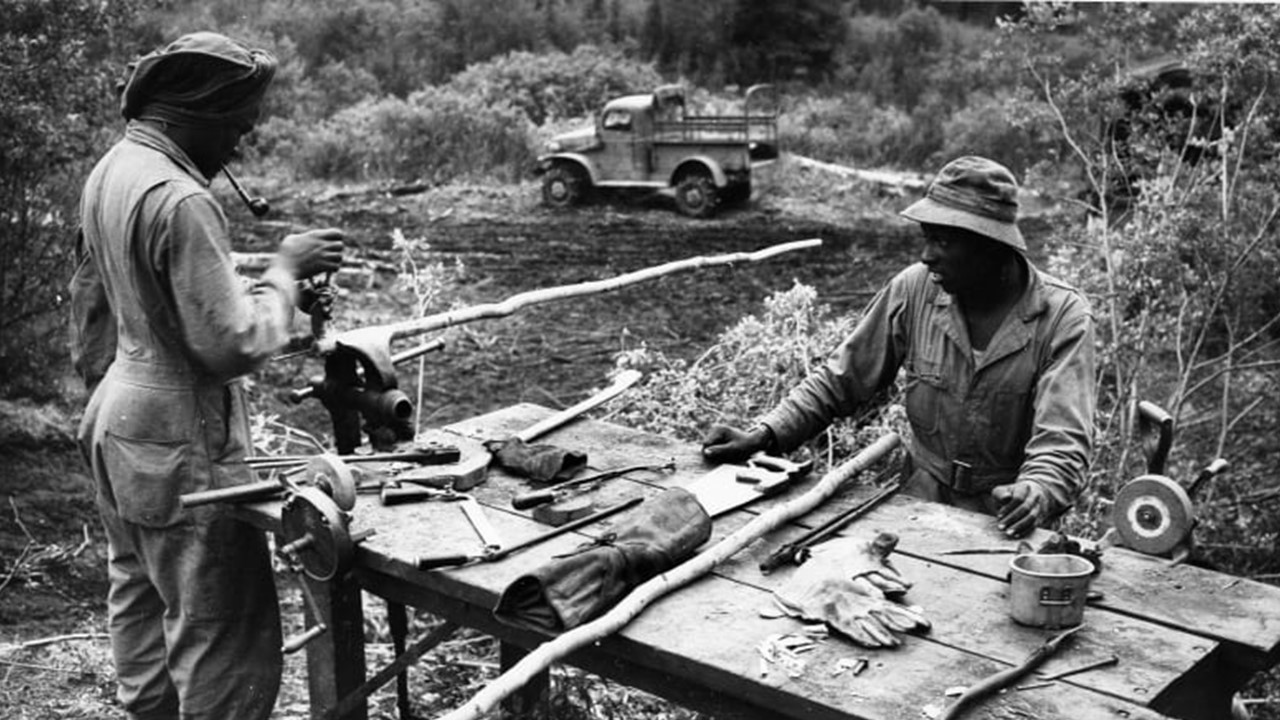
A second project dwells on dust to study the ALCAN or Alaska Highway, a former military road built by the U.S. Army Corps, that traverses northern British Columbia, Yukon, and Alaska. his strand of research contributes to scholarly conversations in geography on volumetric and elemental space and in architectural history on microhistories, consumer culture, and infrastructural repair.
3) FORGOTTEN FRONTS
A final project on the cultural geographies of the Pacific War centers civilian and official war art across the US and Canada and contributes to debates on war propaganda, state-led nationalism, and anti-war critique.
Publications
2026
Bosworth, K and Morinville, C with Anthias, P, Braun, B, Kneas, D, Pérez, MA, Valadares, D, and Marston, A on Subterranean Matters: Cooperative Mining and Resource Nationalism in Plurinational Bolivia. 2024. Duke University Press. Political Geography. 2026. https://doi.org/10.1016/j.polgeo.2026.103590
Vickers, M and Valadares, D with Zeiderman, A; Goh, K; Hudson, P; Loyd, J; and Arbona-Homar, J on Explosivity: Following What Remains. 2025 University of Minnesota Press. Environment and Planning D: Society and Space. https://journals.sagepub.com/doi/10.1177/02637758261436876
Valadares, D. Preserving Particulates: Containing Infrastructure and Fomenting Fermentation on the Alaska Highway. Perspecta. The MIT Press. 2026; (57): 19–34. https://direct.mit.edu/psct/issue/number/57
2025
Valadares, D with Elkington, K, Kushi, M, Lee Moses, K, Mei Singh, L, and Nebolon, J on Settler Militarism: World War II Hawaiʻi and the Making of U.S. Empire. 2024 Duke University Press. Antipode Online: https://antipodeonline.org/2025/07/11/settler-militarism/
Valadares, D. “Out in the Wild: Shawna Dempsey and Lorri Millan’s Lesbian National Parks and Services.” RACAR: Revue d’art Canadienne / Canadian Art Review 50, no. 2 (2025): 265–80. https://www.jstor.org/stable/48860635.
Valadares, D. “The 1966 Motorific Alcan Highway Torture Track” Playing Inside Series. October 2025. NICHE:
Network in Canadian History and Environment [Available] https://niche-canada.org/2025/10/10/the1966
motorific-alcan-highway-torture-track/
2024
Valadares, D. Lê Espiritu Gandhi, E. Jeychandran, N. and A. Murphy. 2024. Theorizing Transits: Im/mobility, Im/materiality, Im/permanence. In Verge Global Asias: Tactics and Theories for a Global Asias Praxis, edited by T. Chen and C. Eubanks. University of Hawaii Press
2023
Valadares, D. 2023. Thinking Like a Gulch: Pacific War Heritage, Settler Lands and Toxic Uncertainties in O‘ahu. Aggregate Architectural History Collaborative. Toxics Project. doi: https://doi.org/10.53965/BJTM8353
Valadares, D. 2023. Uneven Mobilities: Infrastructural Imaginaries on The Hope-Princeton Highway. The Radical History Review (147): 158-185. doi: https://doi.org/10.1215/01636545-10637232
Valadares, D. 2023. Economies and Circuits of Repair: On Reparative Justice Within/Beyond the State: An Interview with Jovan Scott Lewis. Journal of Architectural Education. Special Issue: Reparations! 77 (1). doi: https://www.tandfonline.com/doi/full/10.1080/10464883.2023.2165808
2022
Valadares, D. 2022. Conjuring the Commons: National Monuments as Technical Lands. In Technical Lands: A Critical Primer, edited by C. Waldheim and J. Nesbit. JOVIS Verlag.
2021
Valadares, D. 2021. Unsettling “Historic Integrity” at Honouliuli National Heritage Site, O’ahu, Hawai’i. Change Over Time 10(2): 178-182. doi: doi:10.1353/cot.2021.0008.
Prior to my appointment at UBC in July 2022, I published creative work, photography, and writing in The Funambulist Magazine: Politics of Space and Bodies, Places Journal, and The Avery Review. I also contributed chapters to edited volumes, co-authored cultural landscape assessments and made architectural drawings according to HABS/HALS Historic American Buildings and Landscapes standards.
Graduate Supervision
I welcome inquiries from prospective MA and PhD Geography students whose research interests align with my projects and methods. I am keen to support emerging scholars in geography and allied spatial disciplines who are interested in creative and experimental approaches to geographical knowledge production, particularly architects, designers, and artists.
My current and former students are producing research-creation or artistic-creation outputs, alongside a written thesis or dissertation, on topics that range from historic mining landscapes, salvaged archives, and post-wildfire rural community building in British Columbia.