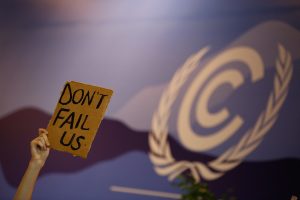
Dr. Simon Donner outlines what to expect from the UN climate conference dubbed the ‘finance COP’
Dr. Simon Donner, professor in the department of geography and the Institute for Resources, Environment and Sustainability, and the Institute for the Oceans and Fisheries at UBC, will be attending his third COP. He outlines the hopes and challenges of this year’s conference.

Pacific Voices with Simon Donner
Simon Donner has launched a new 10-episode podcast called Pacific Voices, based on interviews Simon conducted during field work on his sabbatical. The idea behind the storytelling is to provide the general public with Pacific Islands perspectives on climate change — each episode is a chat with a friend and/or youth leader in Kiribati or […]
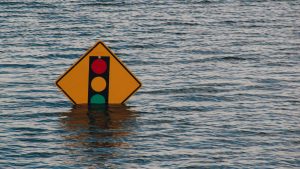
Water and ‘loss and damage’ payments on the agenda at COP27
Simon Donner spoke to CBC Radio about some of the major issues being raised at this month’s UN climate conference.
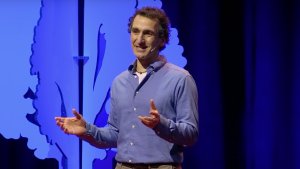
Simon Donner delivers TEDx talk on climate
In his TEDxSurrey talk, Prof. Donner explains why it’s going to take imagination to tackle the stark realities of the climate crisis.
Simon Donner selected for UBC delegation at COP27
The 27th United Nations Climate Change Conference of the Parties will take place in Sharm El-Sheikh, Egypt, this November.
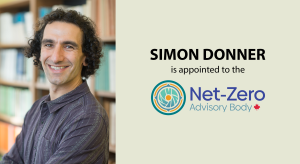
Simon Donner is Appointed to Net-Zero Advisory Body
The Net-Zero Advisory Body is a group of independent experts from across Canada, who provide advice on the most likely pathways for Canada to achieve net-zero emissions by 2050
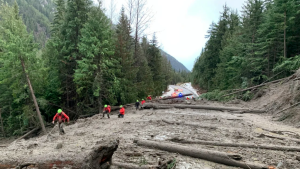
B.C.’s atmospheric rivers and climate change
Professor Simon Donner explains how ‘atmospheric rivers’ can carry so much moisture, and why climate change is making them more dangerous for the west coast of Canada.
Simon Donner named to government climate advisory group
The new Net-Zero Advisory Body will advise the Environment and Climate Change Minister on pathways for Canada to get its carbon pollution to net-zero by 2050.

Simon Donner comments on B.C.’s carbon accounting plans
“If Canada somehow is able to get emissions credits for selling liquefied natural gas to other parts of the world, that disincentivizes us from doing other emissions reductions at home.”